

Japanese Microseasons
Within the Western context, the year is split into quarters – winter, spring, summer, and autumn. This macro-view on nature’s annual evolutions often glosses over the minute details each season offers. Alternatively, Japan’s 72 microseasons note each subtle shift in the surrounding environment. Every five days, the calendar moves to the next season, based on nature’s signals. Each season includes a poetic description of the flora and fauna’s constant evolutions throughout the year.
Originally, the 72 microseasons were developed around the environment of Northern China, but in 1658 the calendar was adapted to match the archipelago of Japan. These traditional seasons, called 候 kō, were used as the primary calendar until 1873 when Japan adopted the Gregorian calendar commonly used today.
The 72-season calendar is still referenced as an important part of Japanese culture and used by specific groups such as farmers and fishers.
While the seasons outlined in the calendar won’t align with your environment, the practice of close observation of nature’s changes can apply to anywhere in the world. Notice nature's changes as we move from spring to the height of summer. Watch a honeybee land on a delicate flower. Listen to the soft chorus of mourning doves outside your window. Use summer’s microseasons to inspire moments of reflection as nature reaches its crescendo.
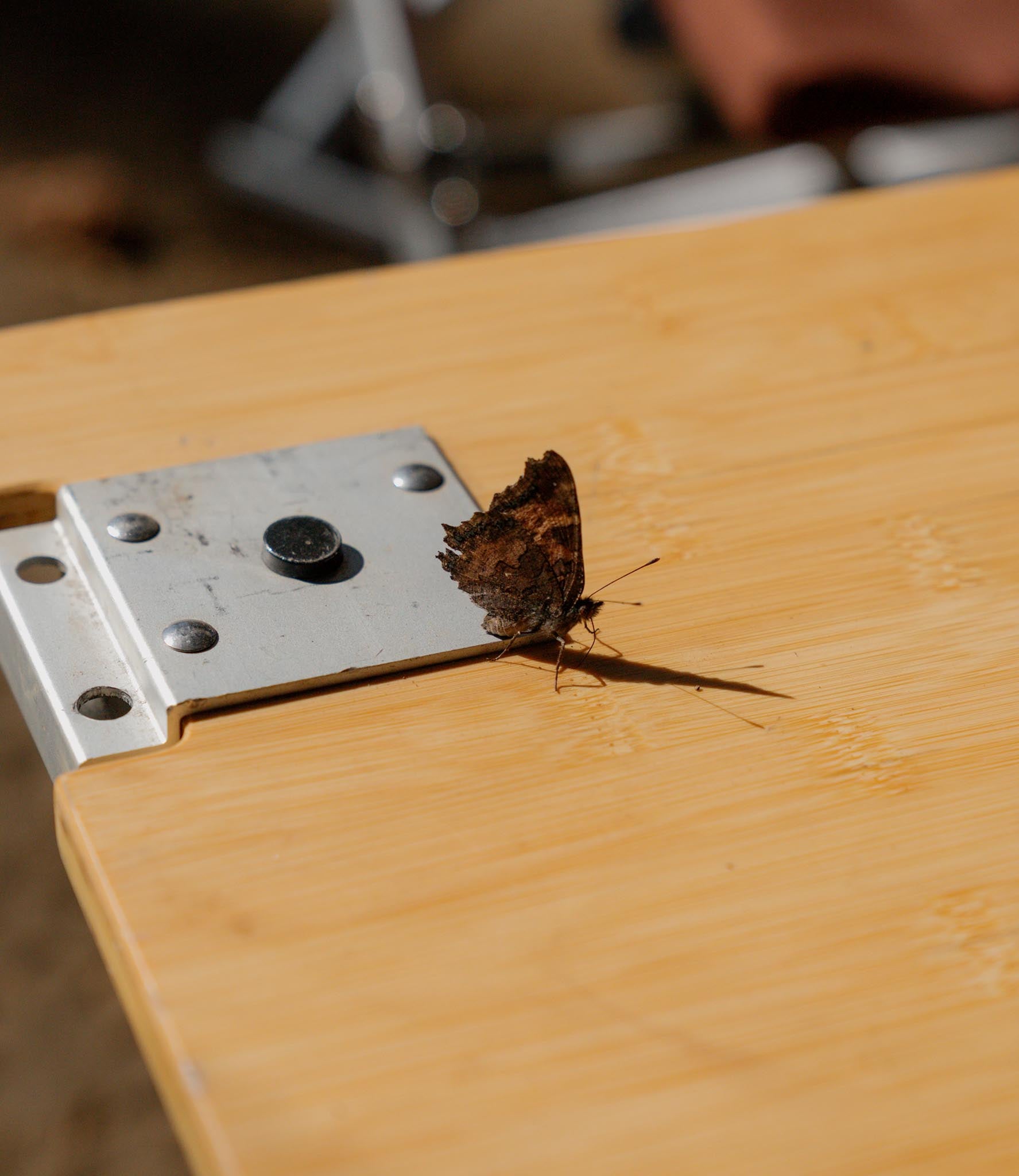
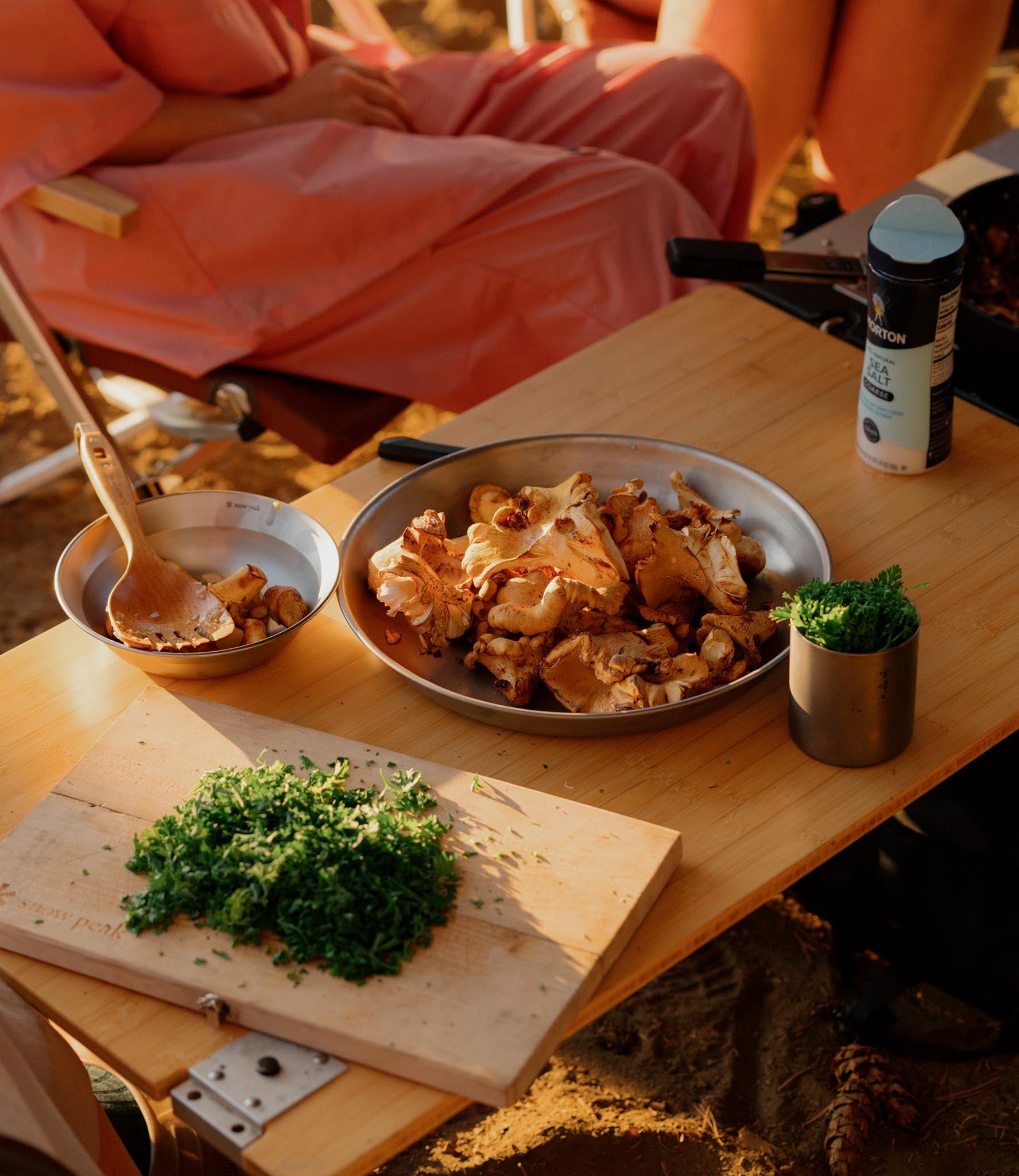
Bōshu (Grain beards and seeds)
June 6–10 | 蟷螂生
Kamakiri shōzu |Praying mantises hatch
June 11–15 | 腐草為螢
Kusaretaru kusa hotaru to naru | Rotten grass becomes fireflies
June 16–20 | 梅子黄
Ume no mi kibamu | Plums turn yellow

夏至 Geshi (Summer solstice)
June 21–26 | 乃東枯
Natsukarekusa karuru | Self-heal withers
June 27–July 1 | 菖蒲華
Ayame hana saku | Irises bloom
July 2–6 | 半夏生
Hange shōzu | Crow-dipper sprouts
小暑 Shōsho (Lesser heat)
July 7–11 | 温風至
Atsukaze itaru | Warm winds blow
July 12–16 | 蓮始開
Hasu hajimete hiraku | First lotus blossoms
July 17–22 | 鷹乃学習
Taka sunawachi waza o narau | Hawks learn to fly

大暑 Taisho (Greater heat)
July 23–28 | 桐始結花
Kiri hajimete hana o musubu | Paulownia trees produce seeds
July 29–August 2 | 土潤溽暑
Tsuchi uruōte mushi atsushi | Earth is damp, air is humid
August 3–7 | 大雨時行
Taiu tokidoki furu | Great rains sometimes fall

立秋 Risshū (Beginning of autumn)
August 8–12 | 涼風至
Suzukaze itaru | Cool winds blow
August 13–17 | 寒蝉鳴
Higurashi naku | Evening cicadas sing
August 18–22 | 蒙霧升降
Fukaki kiri matō | Thick fog descends
処暑 Shosho (Manageable heat)
August 23–27 | 綿柎開
Wata no hana shibe hiraku | Cotton flowers bloom
August 28–September 1 | 天地始粛
Tenchi hajimete samushi | Heat starts to die down